
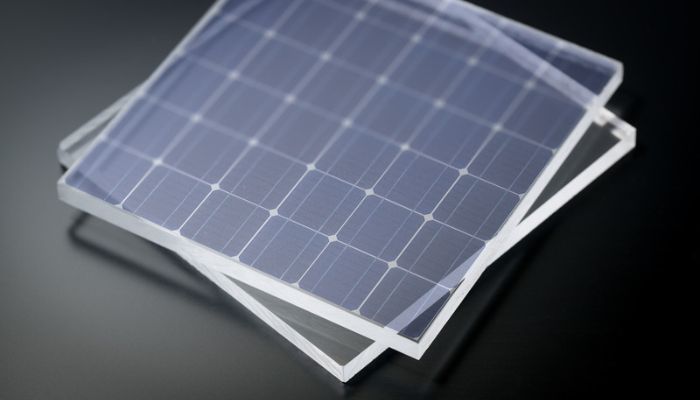
Las Vegas homeowners face intense sunshine, long summer days, and high cooling demands. Direct sunlight entering through windows can make rooms uncomfortable, create screen glare on televisions and computer monitors, and contribute to fading furniture, flooring, and curtains. Choosing the right solar screens Las Vegas homeowners can rely on is a practical way to manage these challenges.
Solar screens are designed to reduce the amount of sunlight and solar heat entering through windows. However, not every screen offers the same balance of heat control, visibility, natural light, and durability. Understanding materials, mesh openness, window orientation, and installation options will help you choose screens that suit your home and budget.
Why Solar Screens Are Important for Las Vegas Homes
Solar screens are exterior window coverings made with specialized mesh that helps intercept sunlight before it reaches the glass. By reducing solar heat gain—the amount of heat from sunlight entering a building—they can help improve indoor comfort.
Potential benefits include:
- Reduced solar heat gain: Helps limit the amount of sunlight and heat entering through exposed windows.
- Lower cooling demand: May reduce air-conditioning demand during hot weather, depending on the home’s windows, insulation, and other conditions.
- Less glare: Helps make living rooms, bedrooms, and home offices more comfortable.
- UV protection: Blocks a portion of ultraviolet radiation that can contribute to fading interior furnishings.
- Improved daytime privacy: Makes it harder to see inside from outdoors under many daylight conditions.
- Greater indoor comfort: Helps reduce the impact of intense afternoon sunlight, particularly through exposed windows.
Results depend on the mesh material, screen density, installation quality, window orientation, and existing energy efficiency features.
Types of Solar Screens for Residential Windows
Choosing between solar screen materials and mesh designs requires considering your priorities rather than focusing on a single feature.
Fiberglass Solar Screens
Fiberglass screens are commonly used for window screening and may be available in solar-control designs. They can offer a practical balance of visibility, sunlight control, and maintenance needs. Their performance and resistance to prolonged sun exposure depend on the specific product and coating.
Polyester Solar Screens
Polyester solar screens are available in different mesh constructions and finishes. Depending on the product, they may offer useful flexibility, durability, and resistance to everyday wear. Check manufacturer specifications for UV resistance, color stability, and expected service life.
Different Mesh Densities and Openness Factors
The openness factor describes the approximate percentage of the screen mesh that remains open for light and visibility. Lower openness generally means a denser mesh, while higher openness allows more light and a clearer outward view.
Custom-Fit Exterior Solar Screens
Custom-fit screens are measured for individual windows and fitted to the appropriate frames. They can help provide consistent coverage and a more finished appearance. Accurate measurements and suitable mounting hardware are important for proper fit and long-term performance.
How to Choose the Right Solar Screen for Your Home
Choose the Right Solar Screen Openness Factor
A lower openness factor may provide greater shading and glare control but can reduce natural light and outward visibility. A more open mesh may preserve a brighter interior and clearer view while offering less shading.
Consider how each room is used. A home office with afternoon glare may benefit from a different mesh than a living room where maintaining the outside view is a priority.
Consider UV Protection and Heat Reduction
Look for manufacturer specifications covering solar heat reduction, UV blocking, visible light transmission, and overall solar performance. These measurements help you compare products more accurately than relying on color or appearance alone.
Exterior screens can intercept sunlight before it reaches the window glass, but actual performance varies with the screen and the window system.
Balance Privacy and Outside Visibility
Denser screens may improve daytime privacy by making it more difficult to see indoors from outside. However, privacy depends on lighting conditions. At night, when interior lights are on and it is darker outside, people may be able to see into your home.
If nighttime privacy is important, consider combining solar screens with curtains, blinds, or other interior window coverings.
Select Durable Materials for Desert Weather
Las Vegas weather makes material quality particularly important. Look for screens designed to withstand prolonged sun exposure, high temperatures, fading, and normal environmental wear.
Ask about mesh construction, frame materials, fasteners, and cleaning requirements before purchasing. A durable screen should suit the specific conditions in which it will be installed.
Match Screens to Different Window Orientations
West-facing windows often receive intense afternoon sunlight, while south-facing windows may experience substantial direct sun exposure depending on the season and surrounding shade.
Prioritize windows that become uncomfortably hot or create persistent glare. You may not need the same screen density on every window, so assess each side of your home separately.
Are Solar Screens Worth It in Las Vegas?
Solar screens can be a worthwhile investment for homeowners who want more comfortable rooms, less glare, and additional protection against sun exposure. They may also help reduce air-conditioning demand during periods of intense sunlight.
Long-term value depends on several factors, including the number of exposed windows, existing glass and insulation, shade from trees or neighboring buildings, and household cooling habits. Solar screens do not replace effective insulation, air sealing, or efficient air-conditioning equipment.
For the best results, compare product specifications and consider which windows contribute most to your home’s heat and glare problems before making a decision.
Custom Solar Screens vs. Standard Window Screens
| Feature | Custom Solar Screens | Standard Insect Screens |
|---|---|---|
| Main purpose | Sunlight and solar heat control | Keeping insects out |
| UV protection | Blocks a portion, depending on product | Usually not the primary design goal |
| Glare reduction | Designed to help reduce glare | Typically limited |
| Visibility | Depends on mesh density | Often designed for a relatively open view |
| Fit and appearance | Made to suit individual window dimensions | Depends on window and screen design |
| Maintenance | Periodic cleaning and inspection | Periodic cleaning and inspection |
Standard insect screens are useful for ventilation and pest control, while solar screens focus more on sunlight management. Some products may serve overlapping purposes, but homeowners should verify the intended use and performance specifications before purchasing.
What Does Solar Screen Installation Cost in Las Vegas?
The cost of solar screen installation in Las Vegas depends on the size and number of windows, mesh material, openness factor, frame options, custom measurements, and installation complexity.
Windows with unusual shapes, difficult access, or special mounting requirements may require additional work. The total project cost can also vary depending on how many windows you choose to cover.
Rather than relying on a general price estimate, request a personalized quote based on your windows and preferred performance features. Ask for details about the materials, screen specifications, measurements, and installation work included.
Solar Screen Maintenance Tips for Las Vegas Homeowners
Dust and desert debris can collect on exterior screens, so regular maintenance helps keep them looking good and functioning as intended.
- Clean screens periodically with water and a soft brush or cloth, following the manufacturer’s instructions.
- Avoid harsh chemicals, abrasive tools, or excessive pressure that could damage the mesh.
- Inspect frames, fasteners, and mesh for loose fittings, tears, or signs of wear.
- Check screens after strong winds or other severe weather.
- Arrange repairs or replacement when damage affects the screen’s fit or performance.
Consistent, gentle cleaning and timely repairs can help extend the useful life of your screens.
Why Choose Solar Screen City?
Choosing the right screens starts with understanding your home’s specific sunlight, comfort, and visibility needs. Solar Screen City is a resource for Las Vegas homeowners exploring solar screen solutions for residential windows.
Before selecting a product, consider which rooms receive the most direct sunlight, how much outside visibility you want to preserve, and which screen features matter most to your household.
Visit Solar Screen City to explore available options and request a quote for your project. A personalized estimate can help you compare suitable solutions for your windows without paying for features you may not need.
Frequently Asked Questions
1. What Are the Best Solar Screens for Las Vegas Homes?
The best solar screens depend on your home’s sun exposure, desired visibility, privacy needs, and budget. Denser mesh may suit windows with intense afternoon glare, while more open mesh can preserve natural light and outside views. Compare product specifications, material durability, and UV performance before choosing.
2. What Percentage of Sunlight Can Solar Screens Block?
The percentage varies by mesh density, material, color, and product design. Some products are designed to block a substantial portion of incoming solar energy, but sunlight blocked is not necessarily the same as total heat reduction. Check the manufacturer’s test results for solar heat gain, visible light, and UV performance.
3. Do Solar Screens Help Reduce Air-Conditioning Costs?
Solar screens may help reduce cooling demand by limiting the solar heat entering through windows. The effect on electricity costs depends on window exposure, insulation, air leakage, thermostat settings, and air-conditioning efficiency. They can complement other energy-efficiency improvements, but specific savings are not guaranteed.
4. What Solar Screen Openness Factor Should I Choose?
Choose an openness factor based on your preferred balance of shading, natural light, and outward visibility. Lower openness generally provides a denser screen, while higher openness allows a clearer view. Compare manufacturer specifications and consider the window’s direction and the room’s purpose before selecting a mesh.
5. Can Solar Screens Protect Furniture From UV Damage?
Solar screens can block a portion of ultraviolet radiation, which contributes to fading in furniture, flooring, fabrics, and artwork. However, UV exposure is not the only cause of fading, and protection varies by screen and window. Combining solar screens with suitable window coverings may provide additional protection.
6. Are Solar Screens Better Than Regular Window Screens?
Solar screens are generally better suited to sunlight and glare management, while standard insect screens primarily keep bugs out. Solar screens may also offer UV protection and help limit solar heat gain. The right option depends on whether your main priority is ventilation, insect control, indoor comfort, or sun protection.
7. How Long Do Solar Screens Last in Las Vegas?
Solar screen lifespan depends on material quality, sun exposure, installation, maintenance, and weather-related wear. Prolonged exposure to intense sunlight can affect mesh, coatings, frames, and fasteners over time. Ask the manufacturer or installer about expected service life, maintenance requirements, and signs that indicate a screen needs replacement.
8. Can I See Outside Through Solar Screens?
Yes, most solar screens allow some outward visibility, but the clarity depends on mesh density, color, lighting, and the view outside. More open mesh typically provides a clearer view, while denser mesh offers greater shading. Review samples in daylight before choosing a screen for view-sensitive rooms.
9. Should I Install Solar Screens on West-Facing Windows?
West-facing windows are often strong candidates because they can receive intense afternoon sunlight, particularly during Las Vegas summers. Solar screens may help reduce glare and solar heat gain in these rooms. Assess the actual exposure, existing shade, and window performance to determine whether screening is worthwhile.
10. How Do I Get Custom Solar Screens in Las Vegas?
Start by identifying the windows that receive the most sunlight and deciding how much shading and visibility you prefer. Then contact a solar screen provider to discuss materials, mesh openness, measurements, and installation requirements. Visit Solar Screen City to explore available options and request a project estimate.
Conclusion
Choosing the right solar screens involves balancing heat control, UV protection, visibility, durability, and cost. For Las Vegas homes, start with windows that receive the strongest direct sunlight, compare mesh openness and material specifications, and select a solution that suits each room.
With the right product and proper installation, solar screens can help make your home more comfortable during sunny desert weather. Explore Solar Screen City to learn more about your options and request a personalized estimate.